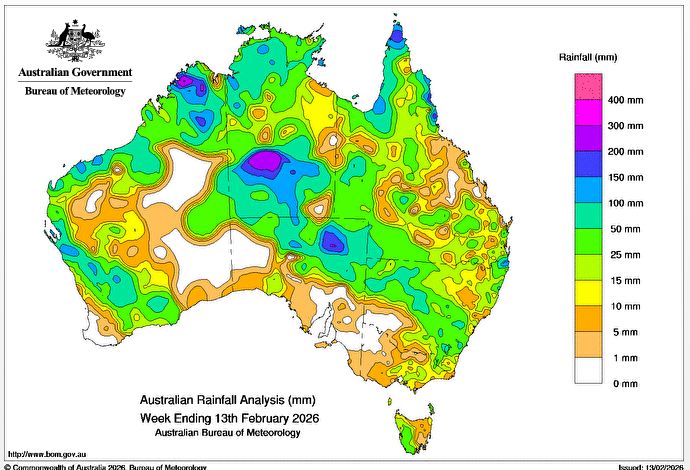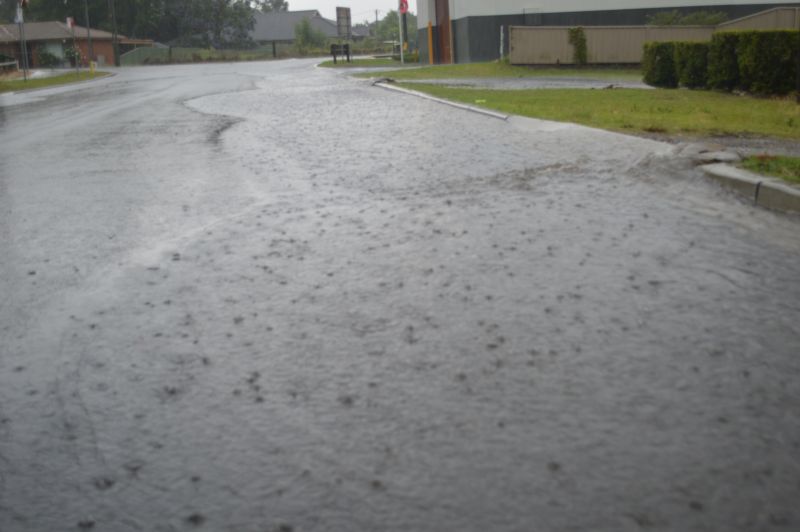
A few localised heavy rain and storm events have caught the attention of media outlets across the southern Northern Territory, southeast Queensland and northeast New South Wales over recent days. Such events have caused local flooding and disruptions to affected communities as follows:
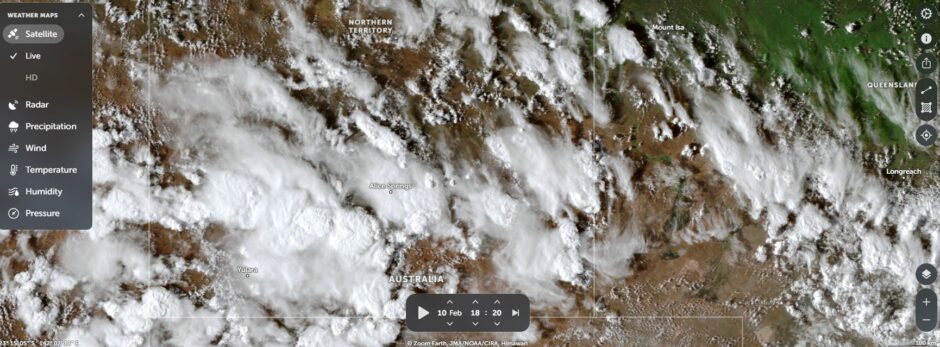
1 – Alice Springs – Northern Territory
The town of Alice Springs situated within the centre of the continent is one location that rarely experiences significant rainfall but over the past week, a rare weather event resulted in rainfall and even a flash flood along the Torrens River through town.
The weather station has just recorded 9 days in a row where rainfall was recorded at the local weather station.
While some of the falls were fairly low, there were three rain events where more than 25 mm fell being:
- 7 February – 29.6 mm.
- 10 February – 27.6 mm.
- 12 February – 43.4 mm – This was the event that resulted in flash flooding along the normally dry Todd River.
- At least 128.4 mm of rain has fallen so far this month which is a remarkable figure for a desert location.
The normally dry Todd River burst its banks Thursday causing disruption through town.
2 – Northeast New South Wales
For the 24 hours to 9 am Friday morning, some substantial rainfall figures were recorded at a few locations including:
- Doon Doon – 241 mm.
- Green Pigeon – 208.8 mm.
- Main Arm – 176.5 mm.
3 – SouthEast Queensland
For the 24 hours to 9 am Friday morning, some substantial rainfall figures were recorded at a few locations including:
- Tallebudgera Creek Mouth – 128 mm.
- Tallai – 127 mm.
- Burleigh Waters – 126 mm.
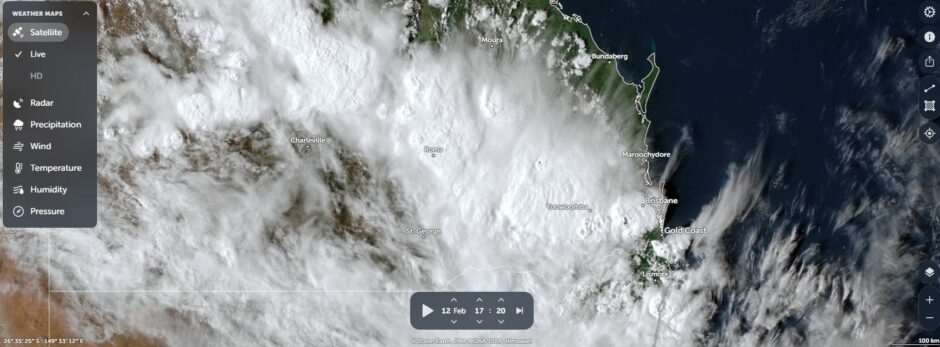
4 – Eastern Queensland
For the 24 hours to 9 am Saturday morning some substantial rainfall figures were recorded at a few locations including:
Areas south of Bundaberg where 100 mm plus totals occurred including:
- Coringa 174 mm.
- Byrnestown 165 mm.
- Mt Goonanaman 161 mm.
Use fall falls during the same event also stretched southwest towards the inland town of Roma.
5 – Gold coast (New South Wales State border)
A small area inland from the Gold Coast received falls of 100 mm to 122 mm to 9 am Saturday morning.
Except for southern and southwestern New South Wales and much of western Victoria being the areas that have missed out on any meaningful rainfall, it has been a good month to date for rainfall as many parched inland regions have received useful falls at a critical time when such rainfall was needed.