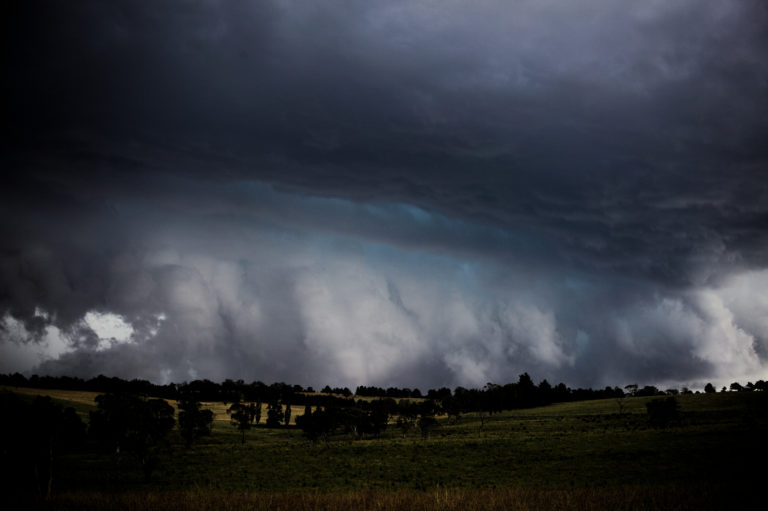
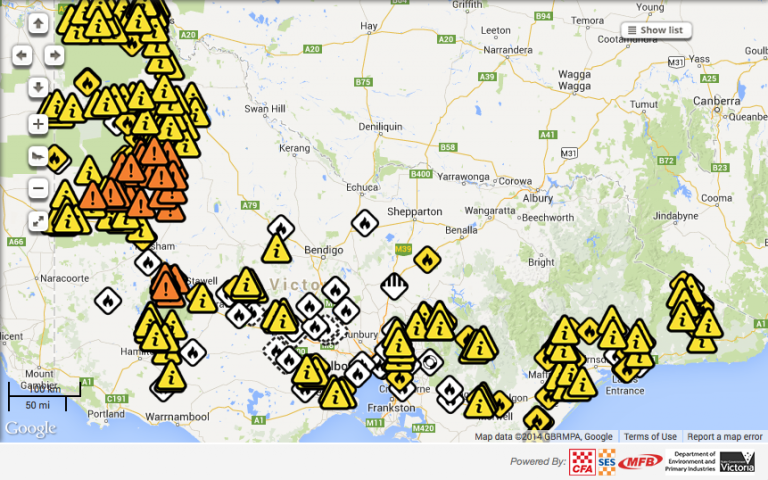
The monsoon is best defined as a seasonal change in the direction of the prevailing winds which causes distinct wet and dry seasons especially within tropical regions. They are characterized by their significant impact on rainfall patterns and is most notable across southeast Asia, South Asia and northern Australia. The weather system can lead to very intense rain that can span a large region.
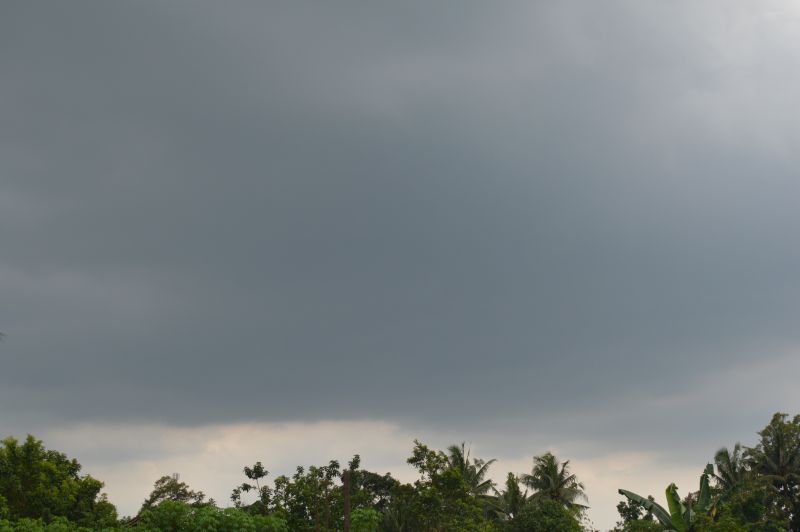
Perhaps the best area to experience the monsoon is within southeast Asia and northern Australia.
Another definition to consider is the Inter Tropical Convergence Zone (ITCZ) which is a belt of converging trade winds and rising air that encircles the earth close to the equator. It is characterised by high cloudiness, frequent thunderstorms and heavy rainfall.
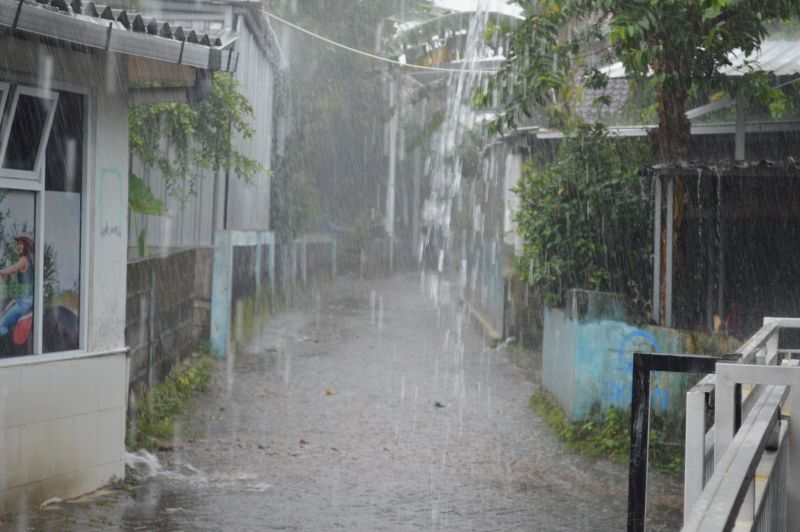
For the end of 2025 and the start of 2026, I decided to go to Indonesia to experience the monsoon being the region influenced by the inter tropical convergence zone. After all, this is the largest weather system found anywhere on the planet being a major weather feature that affects almost half of the population of the planet.
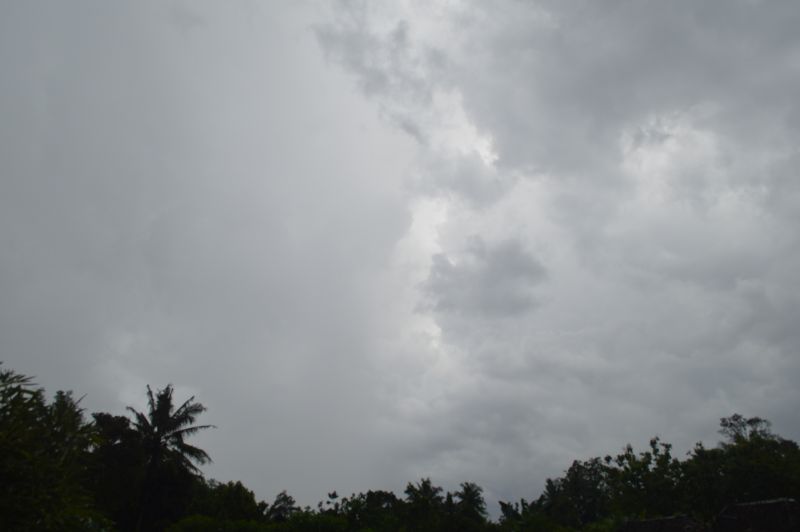
Indonesia is certainly impacted by the ITCZ and the monsoon every year which provides intense rainfall. Often or not, this can turn deadly if too much rain falls within a certain area. Just prior to our arrival in Indonesia, Aceh and the west coast of Sumatra experienced intense monsoon rains and tropical storms late November and early December that resulted in catastrophic flooding leading to at least 1,059 fatalities. Flash floods and landslides featured and the country is still grappling with the disaster and its aftermath to this very day. The recovery from that will be slow and painful.
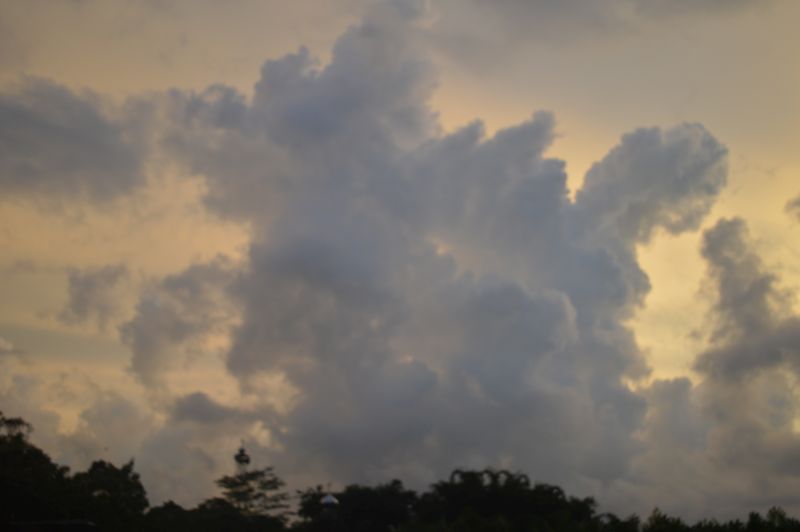
While I was in Indonesia (Yogyakarta) for 28 days, I was able to observe at least 3 periods where the monsoon broke and during all three occasions, the following weather featured:
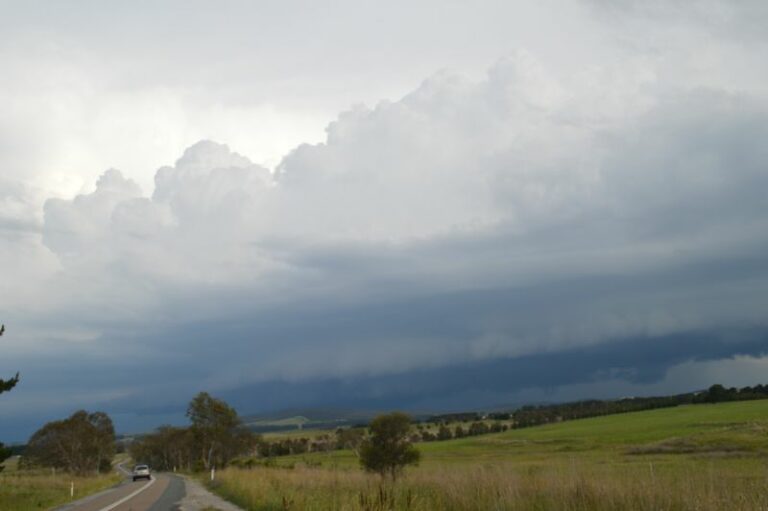
- Intense rainstorms especially during the afternoons or evening period.
- Prolonged period of heavy and sustained rainfall.
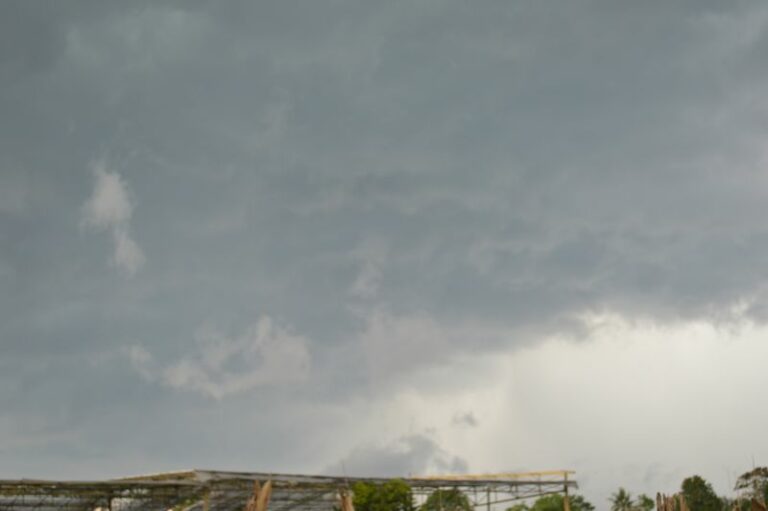
- Cloudiness with high humidity levels.
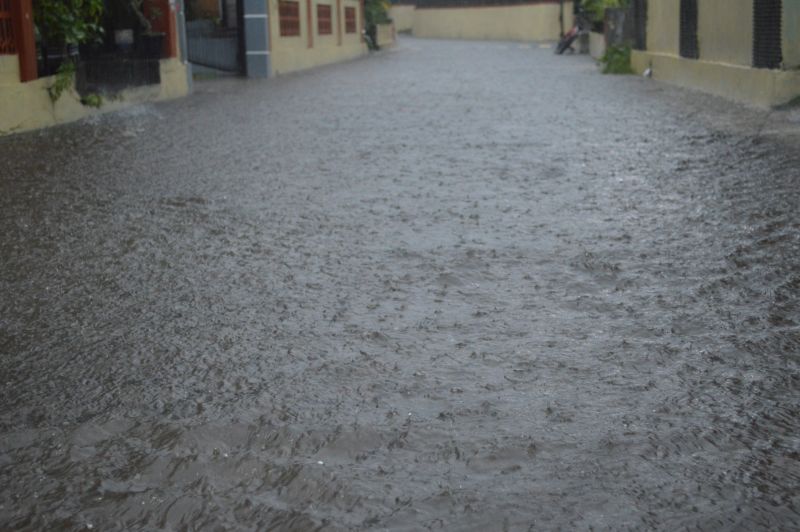
- Even localised flash flooding being observed during the most intense rain storms with flood waters enveloping local roads.
Often or not, the breaking of the monsoon appeared to be refreshing and often it was enjoyable because there was relief from the heat and humidity that precedes such an outbreak.
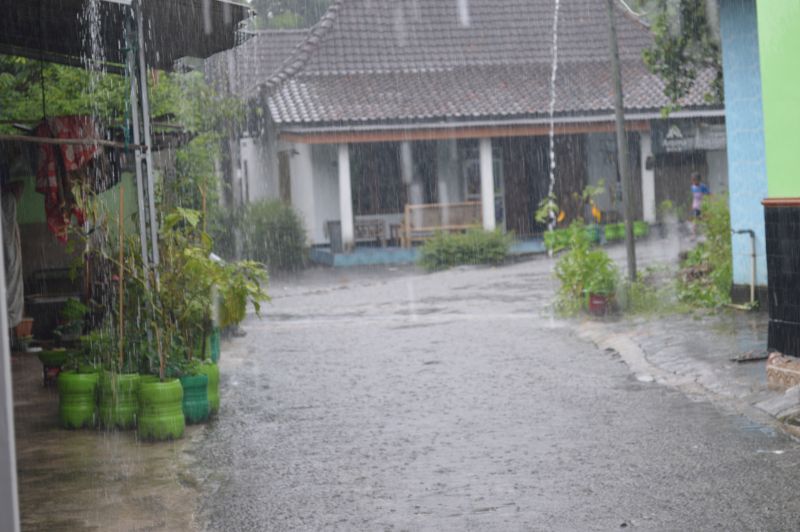
I was observing children enjoying the intense rains and farmers continuing their daily chores not worrying about the amount of rainfall that was falling.
With each monsoon burst, flooding often occurred especially in low lying regions. During my stay in Yogyakarta (Java), there was flooding of low lying areas of Bantul Regency.
On Monday 12 January 2026, monsoon storms and intense rain caused flooding of low lying areas of Jakarta which cut roads and enveloped countless homes across the northern areas of the city. Such flooding caused chaos for the residents.

When flying into and out of the city, floodwaters can often be seen across low lying rice paddy fields and rivers during the wet season.
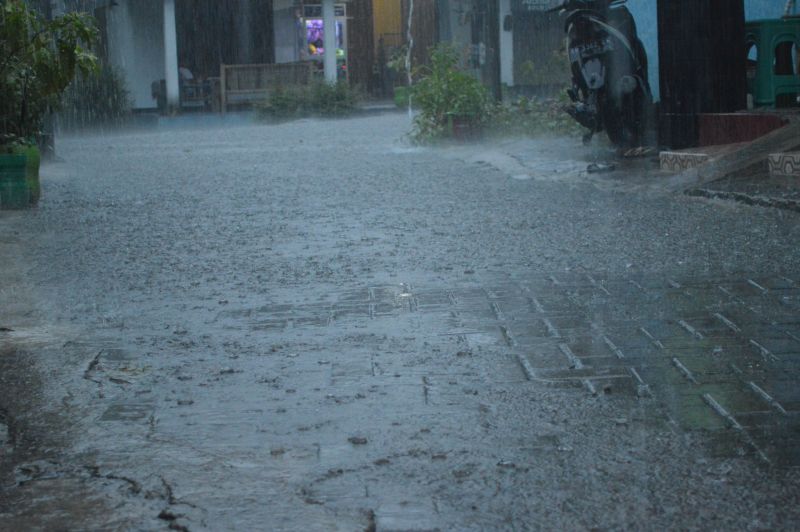
When leaving Yogyakarta, I was observing swollen rivers. Fortunately, Yogyakarta city appeared to be largely spared of the slow moving floods that are common across very low lying areas near sea level.
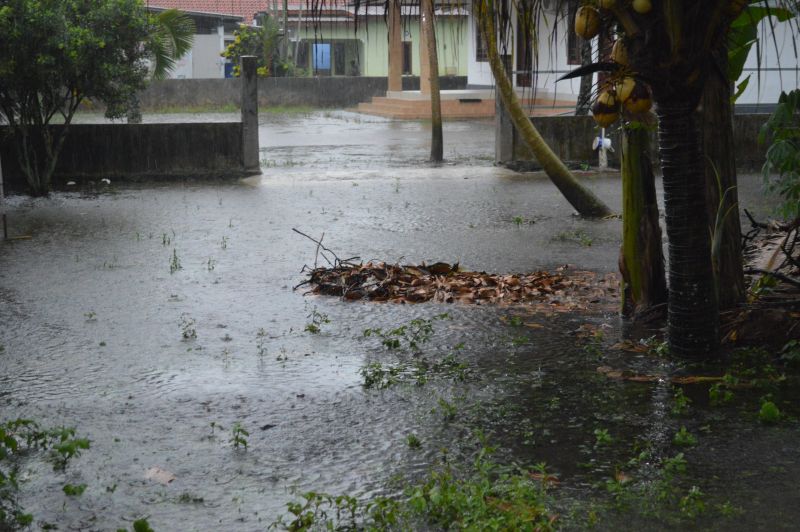
When chasing the monsoon, it is better to pick a specific locality to observe it rather than attempt to chase individual storms. Often there are too many storms to chase and during each individual monsoon outbreak, the storms will merge with one another to form large rain areas featuring heavy rain over longer periods or for several hours. Furthermore, this could easily lead to flooding that will cut road access for periods.

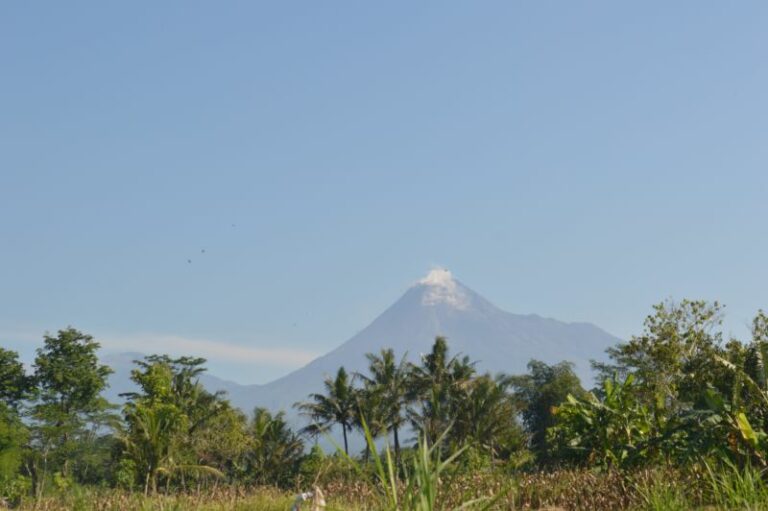
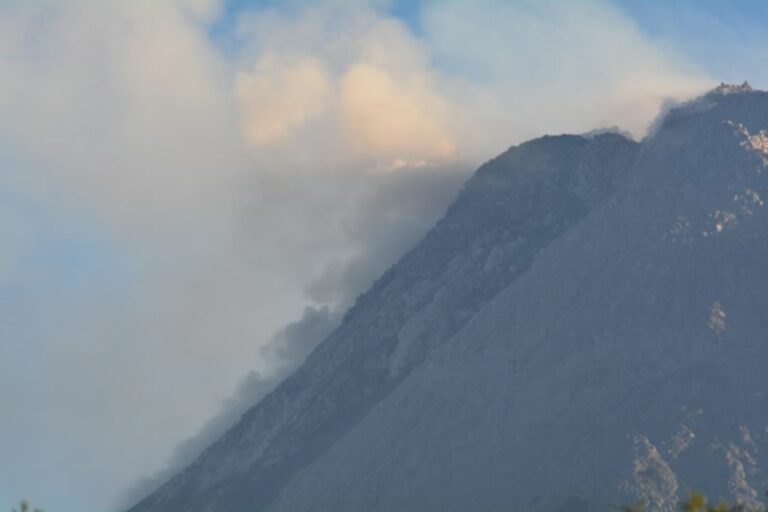
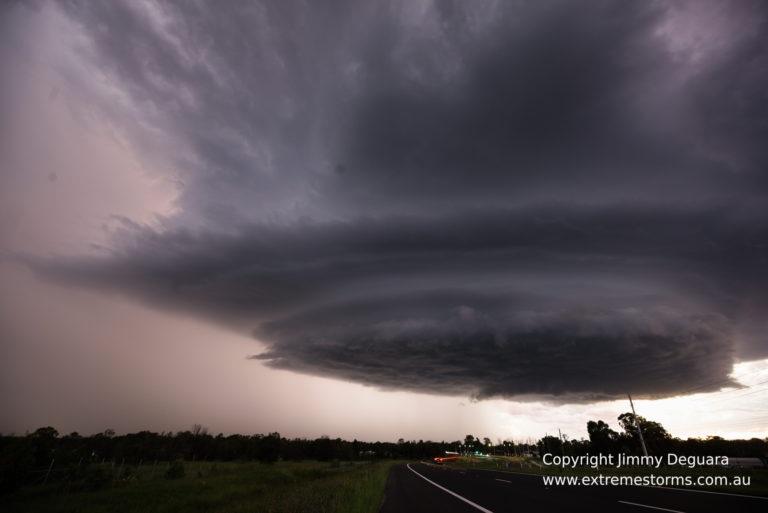
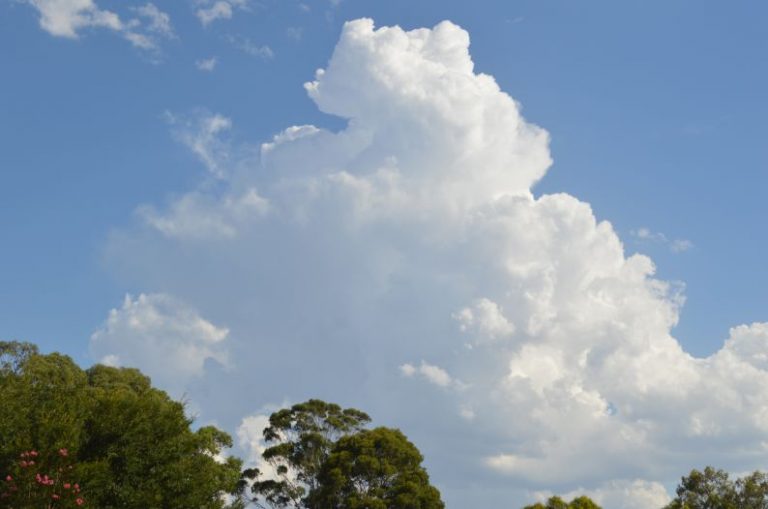
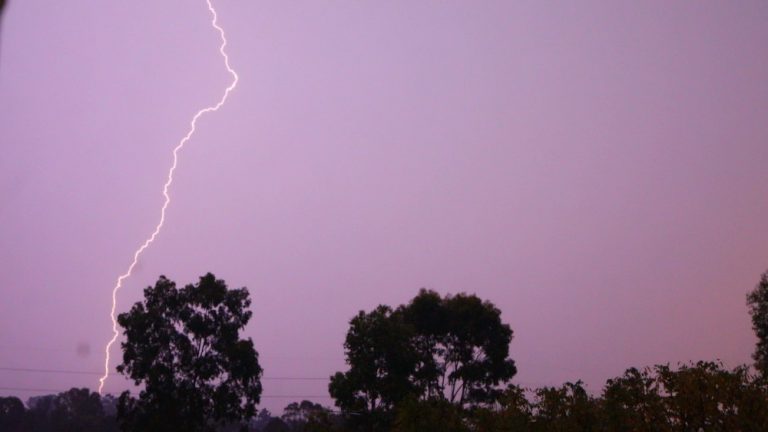
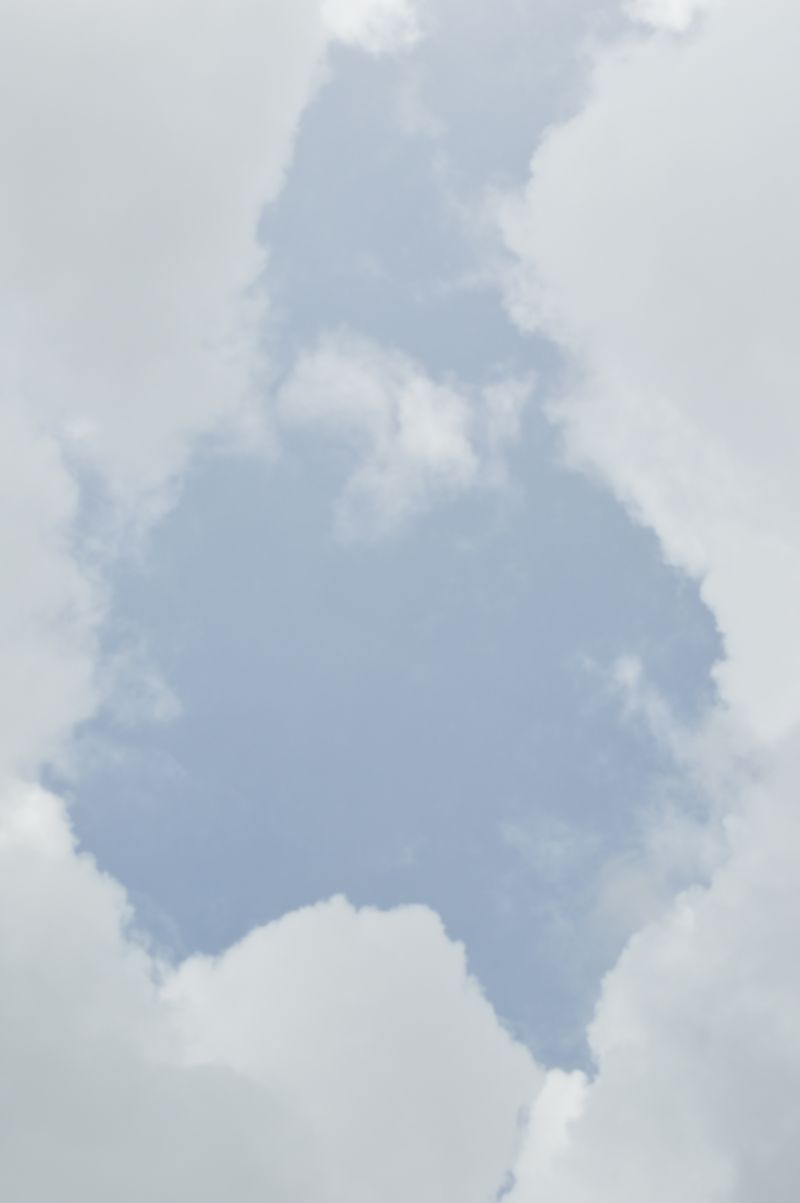
The photos attached to this post highlight typical monsoon conditions with various images of intense rainfall, flash flooding and general conditions to expect during each monsoon outbreak. All images are taken within the Yogyakarta region.